Can You Use Red Light Therapy Every Day?
Table of Contents
- Can You Use Red Light Therapy Every Day?
- How Red Light Therapy Works at the Cellular Level
- Red Light Therapy Session Duration and Frequency Guidelines
- Safety Considerations for Daily Red Light Therapy Use
- Best Red Light Therapy Devices for Post-Workout Recovery 2026
- Recognizing Signs of Overuse and Adjusting Your Routine
- Building a Sustainable Daily Red Light Therapy Practice
- Frequently Asked Questions
Last Updated: September 22, 2026
Can You Use Red Light Therapy Every Day?
Whether a red light therapy device is appropriate for daily use depends on the specific product, its output, the manufacturer’s instructions, and individual factors. Some devices may be designed for frequent use, while others may recommend a different schedule. Follow the guidance provided for your specific device rather than assuming daily use is appropriate for every product. Understanding how your body responds to red light therapy helps you build a sustainable routine that delivers results without diminishing returns.

The question isn't whether daily use is possible, it's how to structure it so you get the benefits without pushing past your body's therapeutic window.
How Red Light Therapy Works at the Cellular Level
Red and near-infrared light are used in photobiomodulation research, where researchers study how specific wavelengths may interact with biological processes. Consumer devices vary substantially in wavelength, irradiance, distance, and intended use, so laboratory or clinical findings should not automatically be treated as expected results from a home device. The 660nm red light and 850nm near-infrared are designed to support a comprehensive wellness experience.

Red Light Therapy Session Duration and Frequency Guidelines
Session duration and daily frequency depend primarily on your device's irradiance (power output measured in milliwatts per square centimeter, or mW/cm²), which determines appropriate session length.
Understanding Device Irradiance and Daily Use
Higher-irradiance devices deliver therapeutic doses in shorter times; lower-irradiance devices require longer sessions for the same total light energy. Check your device's documentation for the mW/cm² rating and recommended session length.
Manufacturer guidelines are your best resource. If your device documentation doesn't specify irradiance, contact the manufacturer before establishing a daily routine.
The Therapeutic Window and Consistency
The therapeutic window, the range of light exposure that produces benefits, is individual and depends on your skin sensitivity, the area being treated, and your device's power output. Daily use within this window compounds benefits over time.
For post-workout recovery, many people use red light therapy on exercise days or the day after. Others integrate it into daily wellness practice or vary intensity throughout the week.

Adjusting Frequency Based on Device Type
Panel devices typically have higher irradiance than full-body mats and may require shorter sessions. Full-body mats deliver lower irradiance across a larger area. Targeted devices concentrate light on smaller areas. If your device has adjustable intensity, you can vary intensity throughout the week to maintain the therapeutic response.
Consideration |
What This Means |
|---|---|
Device irradiance (mW/cm²) |
Higher power = shorter sessions needed; check your device specs |
Session duration |
Follow the specific manufacturer’s recommendations |
Frequency |
Daily use is possible; consistency matters more than maximum intensity |
Individual tolerance |
Some people need less; others benefit from longer sessions |
Therapeutic window |
There's a sweet spot, neither too little nor too much |
Device type |
Panels, mats, and targeted devices have different irradiance profiles |
Tracking Your Dose Over Time
Tracking session duration and intensity helps you stay within your therapeutic window. Over two to four weeks, you'll develop a sense of what works for your body. Note timing, intensity, and how you felt to identify patterns and adjust accordingly.
Safety Considerations for Daily Red Light Therapy Use
Daily red light therapy is generally considered safe for most adults when used as directed. However, safety depends on how you use the device, your individual sensitivities, and whether you have specific health conditions or take medications that interact with light exposure.
When to Consult a Healthcare Professional Before Daily Use
If you take medications, have a medical condition, have a history of light sensitivity, are pregnant, have concerns about your eyes or skin, or are unsure whether red light therapy is appropriate for you, consult an appropriate healthcare professional before use. Follow the manufacturer’s contraindications and safety instructions for your specific device.
Eye Safety During Daily Use
Most quality devices come with protective glasses. Use them as directed by the manufacturer. Follow the manufacturer’s eye-safety instructions, including any recommendation for protective eyewear. If you experience eye discomfort or another concerning symptom, stop using the device and seek appropriate professional guidance.
Skin Response and Erythema
Temporary skin redness or mild irritation (erythema) suggests you've exceeded your tolerance threshold. If it occurs, reduce your session duration or intensity the next day. If skin irritation or another concerning reaction occurs, stop using the device and seek appropriate healthcare guidance rather than adjusting the protocol on your own.
Overstimulation and Sleep Quality
Some people report feeling overstimulated if they use very high intensity close to bedtime. If this occurs, shift your sessions to earlier in the day or lower the evening intensity.
Medication Interactions and Supplements
Certain supplements and topical products may increase photosensitivity. If you take herbal supplements or use topical treatments, discuss timing with your healthcare provider.
Building Tolerance Gradually
Start with shorter sessions at moderate intensity when beginning daily use. Gradually increase duration as your body becomes accustomed to the wavelengths.
Best Red Light Therapy Devices for Post-Workout Recovery 2026
For daily post-workout recovery at home, you want a device that covers sufficient area and delivers consistent irradiance without requiring a major time commitment.
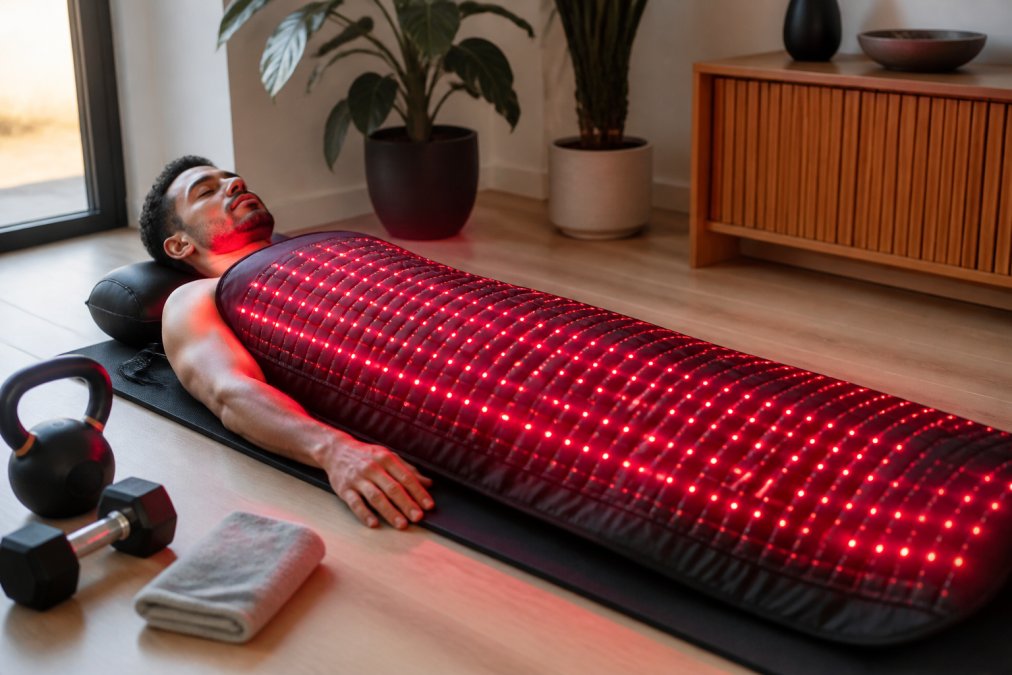
The RejuvaZone Red Light Therapy Mat (75" x 35", 2600 Dual-Wavelength LEDs) is designed for full-body coverage with dual-wavelength technology. At 75 inches by 35 inches, it covers your entire body from shoulders to legs in a single session. The 2600 LEDs deliver both 660nm red light and 850nm near-infrared, supporting relaxation and recovery routines. Multiple intensity levels and timer settings (up to 90 minutes) let you customize each session. The mat's flexible design means you can use it while lying down, sitting, or even during recovery stretches.
For those with space constraints, the RejuvaZone Red Light Therapy Mat (76.8" x 33.4", 1370 LEDs) offers similar full-body coverage in a slightly more compact form. It includes adjustable brightness across five levels and pulse modes (constant, 10Hz, or 40Hz), giving you flexibility to match your recovery routine.
Recognizing Signs of Overuse and Adjusting Your Routine
Even though daily use is safe, your body will tell you if you're pushing too hard. Learning to recognize these signals helps you stay in the therapeutic window.
Building a Sustainable Daily Red Light Therapy Practice
Consistency beats intensity. A sustainable daily practice means showing up regularly at a level your body tolerates well, not pushing to maximum every session.
Frequently Asked Questions
Is red light therapy safe for daily use?
Daily red light therapy can be part of a consistent wellness routine when used according to manufacturer guidelines. Safety depends on your device's irradiance level, session duration, and individual skin sensitivity. Some people tolerate daily sessions well, while others may benefit from alternating days. Follow your device's specific recommendations and watch for signs of overexposure such as persistent redness or irritation. If you have concerns about your skin or medical conditions, consult a healthcare provider before starting a daily routine.
What are the signs of overusing red light therapy?
Overexposure can cause temporary erythema (redness), eye discomfort if you're not using protective eyewear, or skin sensitivity. Some people report fatigue or headaches with excessive cumulative exposure. If you notice persistent irritation, increased sensitivity, or discomfort during or after sessions, reduce your frequency or session duration. These signs suggest your skin needs recovery time. Individual tolerance varies, so adjust based on how your body responds rather than following a fixed schedule.
How do I determine the right frequency for my red light therapy device?
Start by checking your device manufacturer's recommendations—they specify safe irradiance levels and suggested usage patterns. Consider your goals: maintenance typically requires fewer sessions than an initial treatment phase. Track how your skin and body respond over 2–4 weeks. If you see positive results without irritation, your frequency is likely appropriate. If you experience redness or fatigue, reduce sessions per week. Factors like wavelength (660nm red vs. 850nm near-infrared), device power, and your skin type all influence the right frequency for you.
Can daily red light therapy speed up results compared to occasional use?
More frequent use doesn't automatically mean faster results—what matters is consistent, appropriate dosage over time. Research suggests cumulative exposure and photobiomodulation at the cellular level benefit from regular application, but there's a therapeutic window. Exceeding it doesn't accelerate outcomes and may cause overexposure. Think of it like building fitness: consistent moderate effort outperforms sporadic overdoing. Individual results vary based on your device's specifications, your goals, and how your body responds to treatment.
Building a daily red light therapy practice at home transforms how you approach recovery and relaxation. Consistency matters more than intensity, and the right device makes daily use practical. RejuvaZone's red light therapy mats are designed for exactly this, full-body coverage with customizable settings that adapt to your routine. Explore our collection of dual-wavelength mats and find the right fit for your space and wellness goals. Start your recovery ritual today.