How to Prevent Your Sauna From Becoming a Coat Rack
Table of Contents
- Why Your Sauna Becomes a Coat Rack (and Why It Matters)
- The Real Cost of Sauna Clutter on Wood and Equipment
- Sauna Maintenance Checklist: Creating Boundaries for Your Space
- Building a Home Sauna Routine for Beginners
- How to Clean Sauna Wood and Protect It From Moisture Damage
- Interior Organization Solutions That Keep Your Sauna Functional
- Seasonal Transition Strategies to Maintain Your Sauna Year-Round
- Frequently Asked Questions
Last Updated: September 2, 2026
Why Your Sauna Becomes a Coat Rack (and Why It Matters)
Your sauna was supposed to be a sanctuary. Instead, it's become a dumping ground for towels, gym bags, and yesterday's clothes. If you're wondering how to prevent sauna from becoming coat rack, you're not alone, this is one of the most common complaints among sauna owners.
The problem isn't laziness. It's that saunas occupy an awkward space in the home. They're not quite a bedroom, not quite a bathroom, and not quite a living room. That ambiguity makes them perfect for "just temporarily" storing things. Then temporary becomes permanent, and your wellness investment turns into a storage closet.
If you've found your sauna attracting clutter, you're not alone. The real issue isn't the sauna itself, it's the habits and systems around it. When you understand why saunas attract clutter, you can design a space and routine that actively prevents it. Below, we'll walk you through the specific strategies that work.
The Real Cost of Sauna Clutter on Wood and Equipment
Clutter in a sauna isn't just an eyesore. It actively damages your investment.
Leaving damp towels, clothing, and other textiles inside a sauna can interfere with drying and airflow between sessions. Damp materials may also create conditions that encourage odors, mildew, or mold. Keeping the sauna clear between uses allows the interior and its wood surfaces to dry more effectively.
Wood longevity depends on proper moisture evaporation. When air circulation is blocked by stacked towels or gym bags, heat circulation suffers. The temperature sensor may read one thing, but dead zones form where moisture lingers. This uneven heat distribution accelerates wood degradation in those spots.
Clutter should also be kept away from ventilation openings, heaters, and other operating components. Clear airflow helps the sauna operate as designed and prevents personal items from interfering with ventilation or heating equipment.
Beyond the physical damage, clutter creates a psychological barrier to use. A cluttered sauna feels like a chore to clean before you can relax in it. A clean, organized sauna invites you to use it. The difference between a sauna you use three times a week and one you use once a month is often just this: does it feel ready, or does it feel like work?
Sauna Maintenance Checklist: Creating Boundaries for Your Space
The foundation of preventing sauna clutter is establishing clear boundaries about what belongs in the space and what doesn't.
Start with a written rule: nothing stays in the sauna between sessions except the sauna itself. No towels draped over benches. No personal items on shelves. No gym clothes in a corner. This isn't arbitrary, it's the difference between a functional wellness space and a storage unit.
Post a simple checklist near the sauna entrance:
- Remove all personal items before leaving
- Hang towels outside the sauna to dry
- Wipe down benches if moisture is visible
- Check ventilation openings are clear
- Close the door completely
Make this checklist visible. The more automatic the habit, the less willpower it requires. Most people aren't trying to clutter their sauna, they're just not thinking about it. A visual reminder changes that.
Designate a staging area outside the sauna. This is where towels, water bottles, and change clothes live before and after use. A simple wooden bench or shelf just outside the sauna door serves this purpose. It gives people a place to put things without putting them in the sauna.
Set a weekly inspection day. Pick one day each week, Sunday works well, to check the sauna interior. Look for items that have crept in. Check that ventilation is unobstructed. Wipe down the wood if needed. This 10-minute habit prevents small problems from becoming big ones.
Building a Home Sauna Routine for Beginners
The most successful sauna owners aren't the ones with the fanciest equipment. They're the ones with consistent routines.
A sauna routine does two things: it makes using the sauna a habit, and it creates a system that prevents clutter by design.
Start by deciding when sauna use realistically fits your schedule. You might choose specific days each week or simply build sauna time into your existing wellness routine. The goal is to create a schedule you enjoy and can maintain consistently.
Next, create a pre-sauna ritual. This takes 5-10 minutes. Shower or rinse off first. This removes surface oils and sweat that would otherwise transfer to the sauna wood. Bring one clean towel and one water bottle into the sauna. Nothing else. This simple constraint prevents the accumulation problem before it starts.
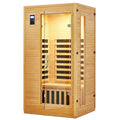
During your sauna session, follow the manufacturer's recommendations for temperature and session length, and choose settings that feel comfortable for you. The infrared sauna models from RejuvaZone, like the 2-person hemlock infrared sauna, offer adjustable temperature controls so you can personalize your sauna experience.

After your session, establish a post-sauna routine. Exit the sauna. Leave your towel outside to dry, don't drape it inside. Rinse off if you prefer. This is where the habit locks in: everything that came in goes back out.

The shift happens when your sauna becomes part of your regular wellness routine rather than an unused space in the house. When the space stays clean, clear, and ready to use, maintaining that habit becomes much easier.
How to Clean Sauna Wood and Protect It From Moisture Damage
Wood maintenance is the bridge between preventing clutter and preserving your sauna's lifespan.
Sauna wood, whether hemlock, cedar, or spruce, is designed to handle heat and humidity. But it needs active protection from moisture damage. The key is understanding that moisture evaporation is your friend, but moisture absorption is your enemy.
Follow the manufacturer's cleaning and maintenance instructions for your particular sauna. In general, keeping benches and interior surfaces free of dust, debris, and excess moisture helps maintain the space. Avoid using cleaning products that aren't recommended for sauna surfaces.
When deeper cleaning is needed, use only cleaning products and methods recommended by the sauna manufacturer. After cleaning, allow the interior to dry thoroughly and follow the manufacturer's guidance for ventilation and door position.
Check the wood regularly for signs of moisture damage. Look for discoloration, soft spots, or areas where the wood feels damp to the touch. If you find a problem area, increase ventilation and reduce humidity in the sauna space. These issues develop slowly, and catching them early prevents expensive repairs.
Ventilation is non-negotiable. Your sauna needs air exchange to allow moisture evaporation. If your sauna has ventilation openings, keep them clear. This is where clutter prevention directly protects your wood, stacked towels or blocked vents trap moisture in the wood instead of releasing it.
Before applying any oil, treatment, stain, or protective product to sauna wood, check the manufacturer's maintenance instructions. Some sauna manufacturers recommend specific products or treatments, while others may advise leaving certain interior wood surfaces untreated. Following the manufacturer's recommendations helps protect both the sauna and its finish.
Interior Organization Solutions That Keep Your Sauna Functional
Organization isn't about aesthetics. It's about creating physical barriers that make clutter inconvenient.
The best organization system is one that makes the right behavior (keeping the sauna clear) easier than the wrong behavior (leaving stuff inside).
Install a small shelf or cubby just outside the sauna entrance. This is your staging area. Towels, water bottles, and personal items live here before and after use. Make it attractive and functional so people naturally gravitate toward it instead of the sauna interior.
Inside the sauna, minimize built-in storage. The more shelves and compartments you have, the more likely they'll accumulate items. A simple bench for sitting is all you need. If your sauna has a small shelf for a thermometer or timer, fine, but resist the urge to add more.
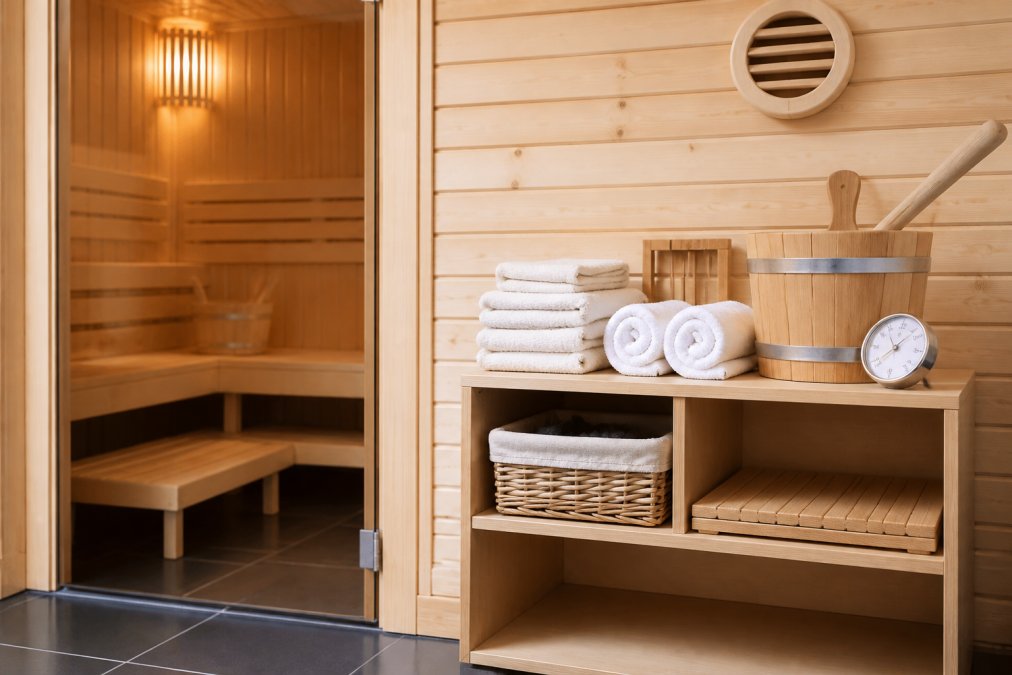
Use clear containers for sauna accessories. If you store sauna stones, cleaning supplies, or replacement parts, use transparent containers so you can see what's inside without opening multiple drawers. Label them clearly. This reduces the chance of items getting lost or forgotten inside the sauna.
For textiles, consider establishing a simple rotation system. Keep the towels you regularly use in an accessible location outside the sauna and store extras elsewhere. This helps prevent unnecessary towels from accumulating inside the sauna.
Treat the sauna entrance as a visual boundary between your wellness space and the rest of the room. After each session, follow the manufacturer's recommendations for ventilation and whether the door should remain open temporarily while the interior dries.
Consider a simple basket or bin just outside the sauna for "sauna items only", extra towels, sauna hats if you use them, thermometer, timer. This consolidates everything in one place and makes it obvious what belongs in the sauna ecosystem versus what doesn't.
Seasonal Transition Strategies to Maintain Your Sauna Year-Round
Seasonal changes affect how your sauna behaves and how you use it. Adjusting your maintenance and routine prevents problems from developing.
Higher seasonal humidity can affect how quickly a sauna interior dries between uses. Keep ventilation openings clear and follow the manufacturer's recommendations for ventilation, drying, and seasonal maintenance. Check the interior periodically for lingering moisture or other signs that additional drying time may be needed.
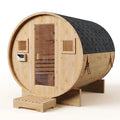
Outdoor saunas face additional exposure to rain, humidity, sunlight, and changing temperatures. If you own a barrel sauna or traditional outdoor model, follow the manufacturer's recommendations for weather protection, ventilation, exterior care, and seasonal maintenance.

In fall, prepare for winter. Check that all ventilation openings are clear and functional. Inspect the wood for any moisture damage that developed during summer. This is the ideal time for annual wood treatment if you use one. Make sure your sauna's heating system is functioning properly before the cold season.
Winter conditions can expose outdoor saunas to cold temperatures, snow, ice, and repeated temperature changes. Follow the manufacturer's cold-weather operating and maintenance recommendations, and periodically inspect exterior wood, seals, ventilation openings, and other exposed components.
Spring is about renewal. Inspect the sauna thoroughly after winter. Clean out any debris that accumulated during the colder months. Check the furnace and heating elements. This is when you might deep-clean the interior and refresh your sauna accessories.
The psychological element matters too. Seasonal routines help. "Summer sauna season" might mean using it more frequently. "Winter maintenance mode" might mean weekly inspections and extra attention to ventilation. Treating your sauna as a seasonal investment rather than a year-round afterthought changes how you maintain it.
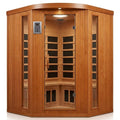
For those considering upgrading or adding a sauna to their home wellness space, RejuvaZone's 4-person infrared sauna and traditional barrel sauna options. Compare the individual product specifications, materials, dimensions, heating systems, and installation requirements to find the option that best fits your home and lifestyle.

The difference between a sauna that becomes a coat rack and one that remains a functional wellness space comes down to one thing: intentional design of both the physical space and the habits around it. Clear boundaries, consistent routines, and regular maintenance work together to keep your sauna what it's meant to be, a place for relaxation and recovery, not storage.
Start with one habit this week: establish your staging area outside the sauna. Add your maintenance checklist. Commit to removing everything from the sauna after each session. These small systems compound. Within a month, preventing sauna clutter will feel automatic. Within three months, you'll wonder why you ever struggled with it.
Your sauna investment deserves a space that supports its use. Create that space, and you'll use it more consistently. And consistent use, that's where the real benefits of sauna wellness emerge. Get started with RejuvaZone's premium sauna selection and build the recovery routine that works for your home and lifestyle.
Frequently Asked Questions
Q: What happens if you leave clothes and items in your sauna between sessions?
Storing clothes, towels, and personal items in your sauna between sessions traps moisture inside the wood and prevents proper ventilation. This creates conditions for rot and mold growth. Wood pores absorb bodily fluids and sweat from sessions, and stagnant moisture accelerates decay. Bacteria may thrive in damp environments, potentially compromising sauna hygiene. Remove all items immediately after each session to allow the interior to dry completely and maintain wood longevity.
Q: How often should I follow a sauna maintenance checklist?
Create a weekly maintenance checklist covering ventilation inspection, interior surface wiping, and clutter removal. Monthly, check for potential mold spots, inspect the sauna furnace and temperature sensor, and verify proper heat circulation. Quarterly, deep-clean wooden benches and assess moisture protection around seals. This preventative care routine helps prevent the coat-rack habit and can catch early signs of damage before they become expensive repairs.
Q: Can storing wet towels or swimwear in a sauna damage the wood?
Yes. Wet textiles and linen materials trap moisture against the wood, preventing moisture evaporation and creating ideal conditions for rot and mold. Sauna wood is breathable by design, allowing moisture to release into the air during heat circulation. Storing damp items blocks this process entirely. Always remove towels, seat covers, and any textiles immediately after use and hang them outside the sauna to dry fully before the next session.
Q: What's the best way to build a consistent home sauna routine that keeps clutter out?
Establish a pre-session ritual: enter with only essentials (water, towel), place items in a designated outside area, and commit to a 20-30 minute session. Create a post-session rule where you remove everything before leaving. Store sauna accessories like buckets, ladles, and thermometers in a nearby cabinet outside the sauna. This habit-building approach helps prevent the coat-rack problem by making clutter removal automatic rather than an afterthought.