Zero Gravity Chair for Daily Use: Benefits & Considerations
Table of Contents
- What Is a Zero Gravity Chair and How Does It Work
- The Case for Daily Zero Gravity Chair Use
- Zero Gravity Chair Drawbacks to Consider
- How Long to Sit in a Zero Gravity Chair
- Zero Gravity Chair vs Recliner: Key Differences
- Zero Gravity Chair Maintenance for Long-Term Use
- Who Should Use a Zero Gravity Chair Daily
- Frequently Asked Questions
Last Updated: October 6, 2026
What Is a Zero Gravity Chair and How Does It Work
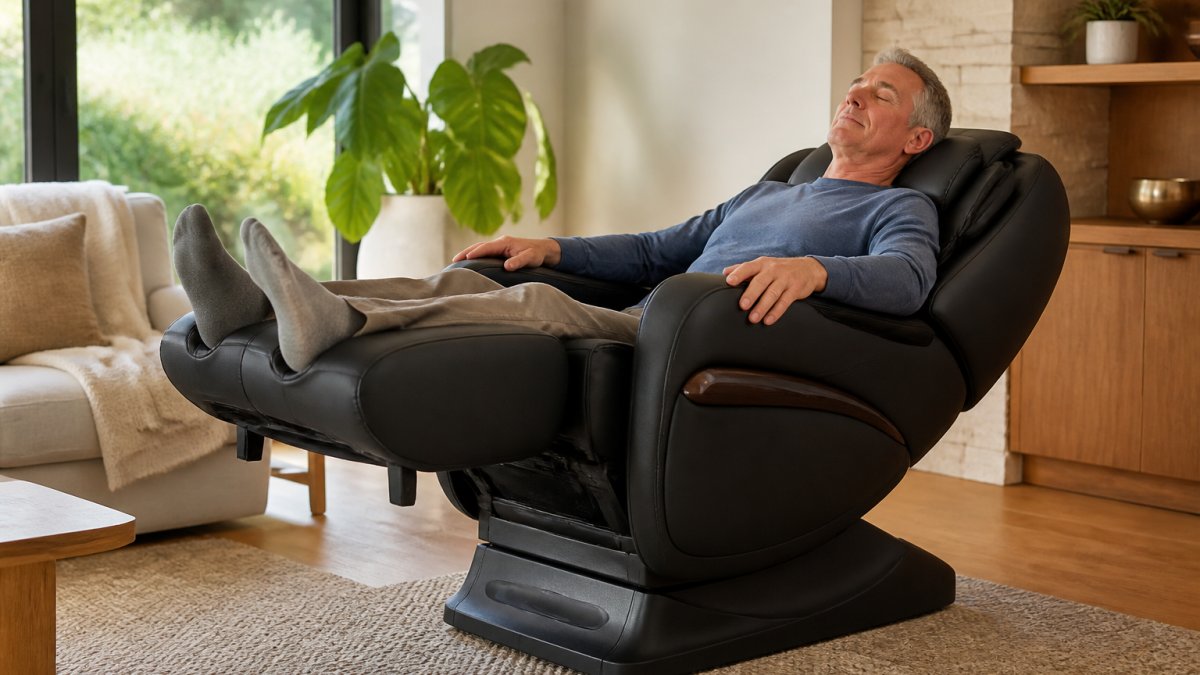
A zero gravity chair is a reclined seating device that elevates your feet to roughly heart level, mimicking the neutral body posture astronauts experience in space.
When you recline, your legs rise while your upper body leans back.
RejuvaZone offers zero gravity massage chairs designed for daily comfort and recovery routines, combining the neutral body posture with full-body massage, heat therapy, and adjustable recline settings.

The zero gravity position has been studied for decades in relation to spinal pressure and circulation.
The Case for Daily Zero Gravity Chair Use
Using a zero gravity chair daily use can support your comfort and relaxation routine, especially if you spend long hours sitting or standing.

Spinal Support and Pressure Relief
The reclined position distributes your body weight more evenly than upright sitting, where your lower back bears most of your upper body's weight.
This pressure distribution may contribute to reduced strain on your lumbar region. People with lower-back discomfort from prolonged sitting often report the reclined position feels more comfortable.
If you have existing back pain or spinal issues, consult a healthcare professional before making a zero gravity chair part of your daily routine.
Circulation and Leg Elevation Benefits
Elevating your legs above heart level may support blood flow from your lower extremities back toward your heart.
Many people find leg elevation soothing after standing for extended periods; the position takes pressure off your feet and ankles, which may reduce feelings of heaviness or fatigue.
If you have circulatory concerns or medical conditions affecting your legs, discuss daily chair use with your doctor to ensure it's appropriate for your situation.
Muscle Relaxation and Recovery
Zero gravity chairs often include massage and heat therapy alongside the reclined position. The combination of reduced spinal pressure, leg elevation, and massage may help your muscles relax more fully than sitting alone.
Heat therapy is used to promote muscle relaxation, while massage rollers target muscle groups in your back, shoulders, and legs.
The RejuvaZone Zero Gravity Massage Chair Designed for Full Body Recovery, 10 Fixed Rollers, Heat Therapy, Bluetooth Speaker features 10 fixed rollers and heat therapy to address muscle tension across your full body, pairing the zero gravity position with active massage for daily recovery routines.
Zero Gravity Chair Drawbacks to Consider
Daily use of a zero gravity chair is not right for everyone. The honest drawbacks are less about the reclined position itself and more about fit, space, and how the chair interacts with your body over time.
Fit and Ergonomics: The Drawback Nobody Mentions
The most common reason people stop using a zero gravity chair daily is poor fit. A few factors matter more than any feature list:
- Seat depth and width. Too deep and your lower back loses contact with the backrest; too narrow and your hips and shoulders get pinched. Both problems show up after daily use, not in a showroom test.
- Head and neck support. In a deep recline, your head needs somewhere to rest. A chair without an adjustable or well-placed headrest can leave your neck unsupported.
- Lumbar support. The backrest curve should follow your lower back, not flatten it. A gap behind your lumbar spine means the chair is not supporting you properly.
Space, Placement, and Clearance
Zero gravity chairs are substantial pieces of furniture, and the recline mechanism needs room to move. The footrest and backrest swing through an arc, so measure your space against the chair's reclined footprint, not its upright footprint, before you buy.
Placement matters too. Putting the chair somewhere you naturally pause, near a window, in a living room, or in a home office, makes the habit easier to keep.
Cost and Value Trade-offs
Zero gravity chairs span a wide range, from simple manual recliners to powered massage chairs with heat, rollers, and audio. The features that matter most for daily use are the ones you will actually use: a recline that suits your body, a stable frame, and easy-to-reach controls. Compare specific documented features, recline range, motor type, upholstery material, warranty terms, rather than generalizing by price tier.
Not a Bed: Daytime Use vs. Overnight Sleeping
A zero gravity chair is designed for seated reclining, not sleep. The angle, cushioning, and support are tuned for a reclined sitting posture, not the flat, supported spine sleep requires. Napping is one thing; replacing your bed with it is another.
When Daily Use May Not Be Appropriate
Suitability varies by individual. Some people find reclined positioning does not work well for them, and medical conditions, mobility limitations, pregnancy, or recent surgery can change what is comfortable or advisable. If you have any health concern or are unsure whether daily reclining is right for you, talk to a qualified healthcare professional before making it a habit. Follow your chair manufacturer's instructions for safe use, and stop if you experience discomfort, numbness, dizziness, or any symptom that concerns you.
How Long to Sit in a Zero Gravity Chair
There is no single correct session length. What determines a comfortable session is a combination of your body, the chair's design, and what you want from the time. The useful skill is not memorizing a duration, it is reading your own signals and the manufacturer's guidance for your specific model.
What Actually Drives Session Length
Four variables matter more than any generic recommendation:
- The chair's recline geometry. Some chairs stop at a partial recline; others go nearly flat, changing how your weight sits on your hips and lower back.
- Your baseline mobility and flexibility. Someone desk-bound all day and someone already active may tolerate different amounts of time before stiffness sets in.
- Whether you are using massage or heat. A passive recline and a heated massage session are not the same activity, and manufacturer guidance for each mode may differ.
Building Daily Use Into a Routine
People who get the most out of zero gravity chair daily use treat it as a recurring ritual, anchoring chair time to something you already do, after a workout, at the end of the workday, or before bed, so it becomes automatic.
Zero Gravity Massage Chair Designed for Full Body Recovery, 10 Fixed Rollers →
A practical way to start:
- Begin with short sessions and notice how your back, hips, and legs feel when you stand up. Discomfort that lingers is a signal to shorten the next session.
- Separate active and passive use. If your chair has massage and heat, try a passive recline first, then add features one at a time so you can tell what is helping.
- Use it as a break, not a replacement for movement. A reclined session is a pause, not a substitute for standing, walking, or stretching.
- Adjust the recline to your body. If a full recline feels wrong, a partial recline is a legitimate way to use the chair.
When to Stop and When to Ask a Clinician
Daily use is generally a comfort and relaxation habit, not a treatment.
Stop a session and return to an upright position if you notice numbness, tingling, dizziness, lightheadedness, new or worsening pain, swelling that does not resolve after you get up, or any sensation that feels wrong to you.
If symptoms persist after you stop, or return each time you use the chair, talk to a healthcare professional rather than pushing through.
Realistic Expectations
Comfort benefits, feeling relaxed, taking pressure off your feet, and enjoying a supported recline, are the honest reasons to use a zero gravity chair daily. Claims that a chair will fix a back problem or replace physical therapy are not supported by the evidence. Treat daily use as one pleasant, low-effort part of a broader routine that includes movement, sleep, and whatever else your clinician recommends.
Zero Gravity Chair vs Recliner: Key Differences
While zero gravity chairs and traditional recliners both offer reclined seating, they differ in important ways.
Feature |
Zero Gravity Chair |
Traditional Recliner |
|---|---|---|
Foot Position |
Elevated to heart level |
Lower than heart level |
Spinal Alignment |
Reclined with elevated leg support |
Recline position varies by model |
Leg Elevation |
Built-in and automatic |
Manual or absent |
Massage Options |
Often included |
Less common |
Heat Therapy |
Frequently available |
Rarely included |
Footprint |
Larger when reclined |
Smaller overall |
Price Range |
Higher |
Lower |
The key distinction is leg elevation. Zero gravity chairs lift your feet above heart level by design, while traditional recliners keep your feet lower or at hip level. Zero gravity chairs typically offer more wellness-focused features like massage and heat; recliners prioritize simplicity. The right choice depends on your space, budget, and what features matter most to you.
Zero Gravity Chair Maintenance for Long-Term Use
Daily use means your zero gravity chair experiences regular wear; proper maintenance keeps it functioning as intended.
Upholstery care is essential. Dust and vacuum the chair regularly, and wipe leather or faux-leather upholstery with a soft, damp cloth.
Moving parts require attention. Massage rollers, reclining mechanisms, and electrical components can accumulate dust; keep these areas clean and test adjustable settings regularly.
Electrical components need protection.
Structural stability matters.
For detailed maintenance schedules and specific care instructions, consult your chair's user manual.
Who Should Use a Zero Gravity Chair Daily
Daily zero gravity chair use works well for certain people and situations.
Ideal candidates include:
- Adults spending long hours sitting at desks or in cars who want to counteract postural strain
- People recovering from physical activity who use the chair as part of a daily recovery routine
- Those seeking relaxation and stress relief as part of a wellness routine
Less suitable for:
- People with limited space who can't accommodate the chair's footprint
- Those with specific medical conditions that may make reclined positioning inadvisable (consult your doctor)
- People who need a sleeping surface rather than a relaxation chair
Your individual circumstances matter. Consider your space, health situation, daily routine, and wellness goals. If you have any health concerns, discuss daily zero gravity chair use with your healthcare provider before making it a regular habit.
Daily zero gravity chair use can become a meaningful part of your wellness routine if it fits your lifestyle and health needs.
At RejuvaZone, we help customers build personalized wellness spaces at home. Whether you're looking for a RejuvaZone Zero Gravity Massage Chair at an accessible price point or our premium M9 Zero Gravity Massage Chair with AI Deep Tissue Relief, we offer options designed for daily comfort and recovery.
Frequently Asked Questions
Is it okay to use a zero gravity chair every day?
Daily use of a zero gravity chair is possible for many people, but comfort and individual needs vary. The reclined position with feet elevated above heart level can support relaxation and circulation. However, follow your chair manufacturer's specific recommendations for session duration and frequency. If you have existing health concerns, consult a healthcare provider before establishing a daily routine. Some people find daily use comfortable, while others prefer using it several times per week.
What are the main drawbacks of using a zero gravity recliner?
Zero gravity chair drawbacks include space requirements (these chairs are larger than standard recliners), initial cost, and the fact that they're not suitable for all body types or mobility levels. Some users experience difficulty getting in and out of the chair, and extended daily use may not be comfortable for everyone. Additionally, these chairs require regular maintenance of moving parts and upholstery.
How does a zero gravity chair compare to a standard recliner?
A zero gravity chair uses a reclined position with elevated leg support, while the position of the legs and backrest in a standard recliner varies by model. Zero gravity massage chairs also commonly include features such as massage, heat, and adjustable positioning. Both can provide comfortable reclined seating, so the better choice depends on fit, available space, features, and personal preference.
What maintenance does a zero gravity chair require for daily use?
Zero gravity chair maintenance varies by model. Follow the manufacturer's cleaning instructions for the material. Moving parts like rollers and motors may need occasional inspection. Refer to your specific chair's documentation for maintenance intervals and any recommended care schedules. Proper maintenance helps ensure durability and safe operation if you're using the chair daily.