Red Light Therapy for Sensitive Skin: A Safe Guide
Table of Contents
- Understanding Red Light Therapy and Sensitive Skin
- How to Patch Test Red Light Therapy Before Full Use
- Red Light Therapy Session Duration for Beginners
- Managing Intensity and Wavelength Settings for Sensitive Skin
- Red Light Therapy and Common Skincare Actives: What You Should Know
- Potential Reactions and When to Stop
- Frequently Asked Questions
Last Updated: September 27, 2026
Understanding Red Light Therapy and Sensitive Skin
Red light therapy is a wellness practice that uses light-emitting diode technology to deliver specific wavelengths of light to your skin, and red light therapy sensitive skin requires careful attention to intensity and duration. The two main wavelengths used are 660 nanometers (visible red light) and 850 nanometers (near-infrared light). These wavelengths penetrate the skin to support cellular function and are studied for various wellness applications.

If you have sensitive skin, red light therapy requires a careful approach. Your skin barrier is more reactive, and device intensity, session duration, and interactions with active skincare ingredients determine whether your experience is comfortable or problematic.
This guide covers patch testing, intensity settings, session timing, and how to avoid common mistakes that trigger flare-ups.
How to Patch Test Red Light Therapy Before Full Use
Why Patch Testing Matters for Reactive Skin
Patch testing shows how your skin responds before a full-body session. Red light therapy can cause temporary redness, warmth, or mild irritation if intensity or duration is too high for your reactive skin barrier.

Step-by-Step Patch Test Protocol
If the manufacturer recommends patch testing, follow the procedure provided for your specific device. Do not create your own test duration, observation period, intensity progression, or treatment area. People with highly reactive skin, a diagnosed skin condition, or concerns about light sensitivity should consider discussing use with a dermatologist before beginning.
Red Light Therapy Session Duration for Beginners
Session duration varies by device type, wavelength, intensity level, and individual skin tolerance. The manufacturer's documentation establishes safe operating ranges for your specific product.
What to look for in your device manual:
- Recommended session duration range, Most manufacturers specify a minimum and maximum (e.g., "10-30 minutes per session").
- Intensity level guidance, Does the manual suggest starting at a specific level for new users?
- Frequency recommendations, How many sessions per week are safe? Some devices recommend daily use; others suggest 3-4 times weekly.
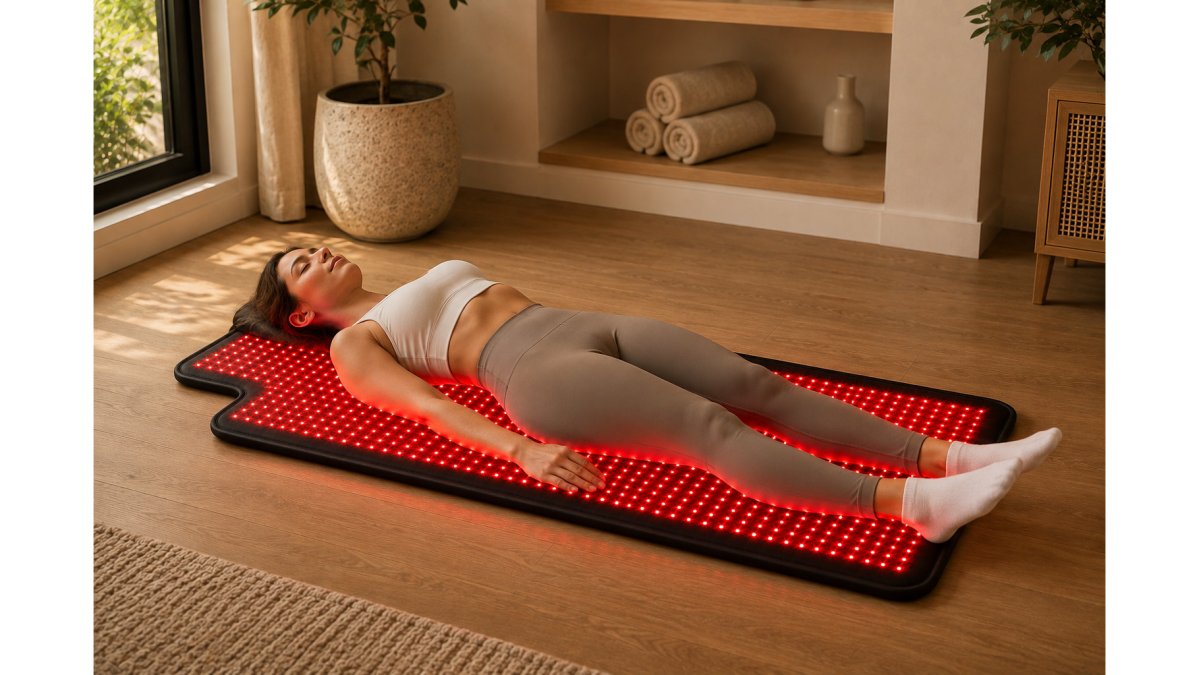
- Distance or placement instructions, Handheld devices often specify how far from skin to hold the device; mats typically specify direct contact or a thin barrier.
- Wavelength-specific notes, If your device has both 660nm and 850nm, does the manual recommend starting with one wavelength before combining them?
Adjusting manufacturer recommendations for sensitive skin. When using red light therapy sensitive skin, start at the lower end of the manufacturer's recommended range and lowest intensity level before advancing.

Example scenarios:
- Session duration and frequency should come from the manufacturer’s instructions for the specific device. Avoid applying generic schedules across handheld devices, mats, or panels because their output and intended use can differ substantially.
Building duration gradually. After patch testing confirms tolerance, extend session time slowly only if your skin shows no signs of irritation.
Managing Intensity and Wavelength Settings for Sensitive Skin
Most red light therapy devices offer adjustable intensity levels. This is your biggest tool for safe use with reactive skin.
Why intensity matters. Higher intensity delivers more light energy to your skin and can trigger redness in sensitive skin. Lower intensity is gentler.
Use the intensity settings recommended by the manufacturer for your specific device, particularly if you have sensitive or reactive skin.
Wavelength considerations. If you're very reactive, consider starting with 660nm alone (if your device allows) and gradually introduce 850nm as tolerance builds.
RejuvaZone devices include multiple intensity levels and pulse modes that let you customize your session to match your skin's current tolerance.
Red Light Therapy and Common Skincare Actives: What You Should Know
If you use active skincare ingredients, retinoids, vitamin C, chemical exfoliants, or prescription treatments, red light therapy can interact with them. Both can be stimulating, so using them on the same day or in close succession may overwhelm sensitive skin.
Retinoids (prescription and over-the-counter).
Retinoids can cause temporary sensitivity. Combining them with red light therapy on the same day or consecutive days may amplify redness and irritation.
Recommended sequencing:
- Use retinoids on nights you don't do red light therapy.
- After your skin adapts to the retinoid, use retinoids at night and red light therapy the next morning at low intensity.
- If you're new to retinoids, skip red light therapy for the first 4 weeks.
Vitamin C serums and L-ascorbic acid.
Vitamin C is generally compatible with red light therapy. Pure L-ascorbic acid and vitamin C derivatives are often considered safe to use the same day.
Chemical exfoliants (AHAs and BHAs).
Physical exfoliants (scrubs, brushes, washcloths).
Niacinamide.
Prescription treatments (topical antibiotics, azelaic acid, sulfur).
Sunscreen and moisturizers.
Building a sensitive-skin routine with red light therapy.
Skincare products and prescription treatments differ substantially in their ingredients, concentrations, and potential for irritation or photosensitivity. If you use retinoids, exfoliating acids, prescription topicals, or other active products, check the product instructions and the red light device manufacturer’s guidance. If you have sensitive skin or use prescription skincare, ask a dermatologist how to combine the products safely rather than following a generic timing schedule.
Signs that your combination routine is too aggressive:
- Persistent redness that doesn't fade within a few hours of stopping treatment.
- Increased sensitivity to other products.
- Excessive dryness, flaking, or peeling.
- Itching or burning sensations during or after sessions.
Potential Reactions and When to Stop
Some people with conditions like rosacea, severe eczema, or photosensitivity may not be good candidates for red light therapy. If you have any of these conditions, consult your dermatologist before using a device.
Frequently Asked Questions
Is red light therapy safe for sensitive skin?
Red light therapy can be used on sensitive skin, but it requires a cautious approach. Start with patch testing on a small area for 24-48 hours to monitor for adverse reactions. Many people with reactive skin tolerate red light therapy well when they begin at lower intensity levels and shorter durations. Wavelengths around 660nm (visible red light) are generally considered gentler than longer infrared wavelengths. Follow the device manufacturer's guidance and consult a dermatologist if you have specific skin conditions or concerns.
What should I watch for when using red light therapy on sensitive skin?
Monitor your skin for erythema (redness), irritation, blistering, or hyperpigmentation after each session. Some people experience temporary warmth or mild flushing, which may be normal. If you develop persistent redness, swelling, or other adverse reactions, discontinue use and allow your skin to recover. Individual skin tolerance varies significantly. Keep a simple log of your sessions, intensity levels, and any skin changes to identify patterns. If reactions occur, reduce intensity or session duration before trying again.
How long should a beginner's red light therapy session be?
Beginner session recommendations vary by device, output, and manufacturer. Follow the starting duration, intensity, frequency, and progression guidance provided for your specific device rather than relying on a universal beginner schedule. If you have sensitive or reactive skin and the manufacturer does not provide suitable guidance, consult the manufacturer or an appropriate healthcare professional.
Can I use red light therapy if I'm also using active skincare ingredients?
Red light therapy can interact with certain topical actives. Retinoids, vitamin C serums, acids, and photosensitizing ingredients may increase the risk of irritation or adverse reactions when combined with light therapy. Consider applying red light therapy on days when you're not using potent actives, or wait several hours after applying these products before treatment. If you use a red light therapy mat at home, test the combination on a small area first. Always follow your skincare routine manufacturer's guidance and discuss timing with a dermatologist if you have concerns about interactions.